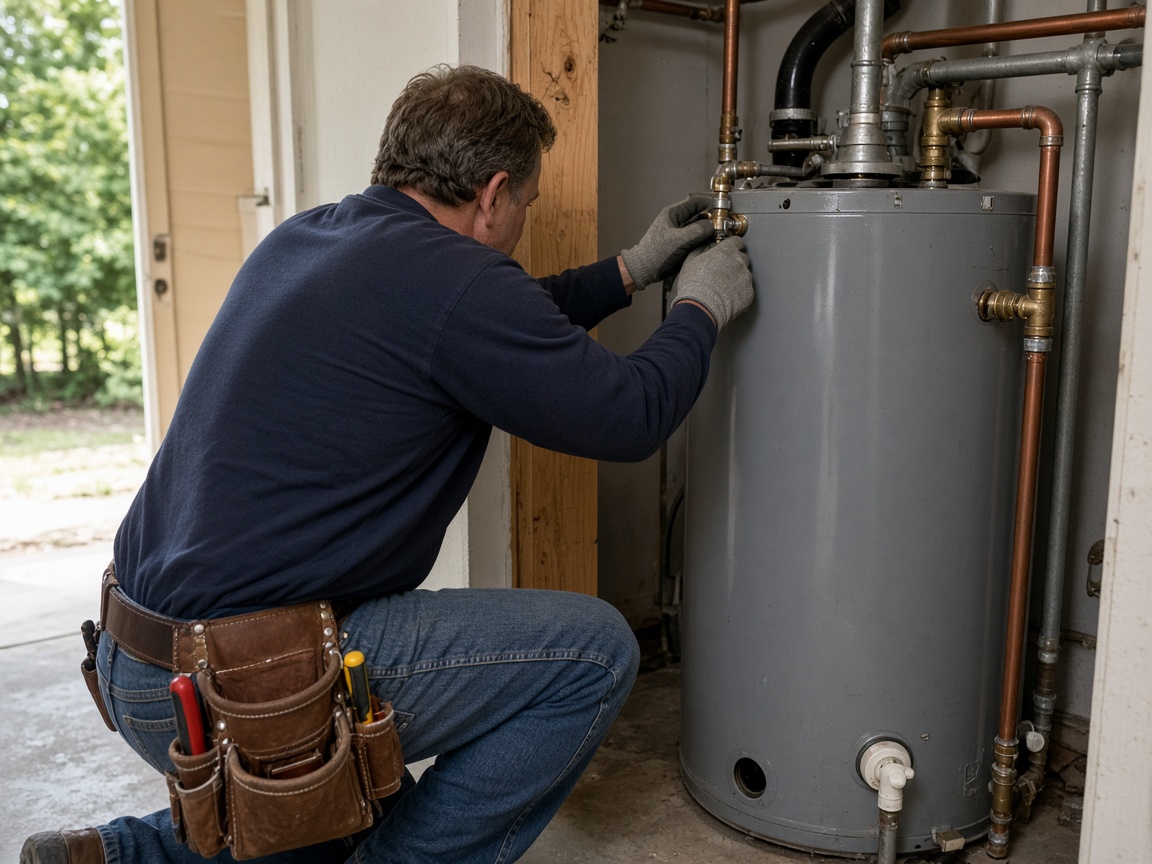
Gainesville homes in neighborhoods like University Heights and Duckpond often date to the 1950s through 1980s, with original water heaters showing heavy corrosion from decades of humid subtropical conditions. Installation work here frequently requires checking existing venting paths and electrical runs that have degraded from moisture exposure near the University of Florida campus. Proper sizing accounts for the mild winters that still produce enough cold groundwater to affect recovery rates in standard tanks. Technicians at 4604 NW 6th St routinely inspect for code-compliant seismic strapping and expansion tanks before any new unit goes in.
Hot summers increase sediment buildup in tanks fed by Alachua County water, so installation now includes flushing valves and anode rod upgrades on most jobs. Homes near Paynes Prairie or Magnolia Park sit on variable soil that can shift slightly with heavy rain, requiring secure mounting to prevent future leaks at connections. Gas lines in Northwest Gainesville properties sometimes need resizing when switching from electric to gas units, a detail that only surfaces during the actual removal of the old heater. These steps prevent callbacks during the first humid summer after installation.
Edge cases appear in Haile Plantation where larger homes demand higher capacity units to handle multiple bathrooms without temperature drops. Installation crews verify combustion air supply in tightly sealed newer builds and adjust for the mild winters that reduce but do not eliminate the risk of frozen pipes during rare cold snaps. All work follows current Alachua County plumbing standards without shortcuts on dielectric unions or proper venting slopes.
Technician insight
In Gainesville, the thing that catches most people out with Water Heater Installation is how the humid subtropical air accelerates corrosion on older venting and electrical runs in Duckpond and University Heights homes, so a straight swap often turns into extra work on connections that homeowners never expected.
Tank Replacement in Duckpond
Homeowner called after the old unit stopped producing hot water during a mild winter. Inspection revealed corroded venting and undersized gas line from the 1960s construction. We removed the tank, upgraded the venting and gas supply, and installed a new properly sized unit. The system now delivers consistent hot water without further issues.
How it works
- 1
Site Assessment
Technician inspects the current heater location, venting, gas or electric supply, and water lines in the Gainesville home.
- 2
Unit Selection
Recommend tank or tankless options sized for the household and matched to local water conditions.
- 3
Removal and Preparation
Disconnect and remove the old unit, then prepare the space with updated connections and supports.
- 4
Installation and Testing
Set the new water heater, connect all lines, test for leaks, and confirm proper operation before leaving.
Pricing
Upfront quotes provided after on-site assessment; cost depends on unit type, home access, and any required line upgrades.